Amyloidosis is a group of serious diseases caused by the abnormal buildup of amyloid proteins in the body. These proteins misfold and accumulate in organs and tissues, disrupting their normal structure and function.
Amyloidosis can affect one organ or multiple organs at the same time. The most commonly affected organs include the heart, kidneys, nervous system, liver, and gastrointestinal tract. Because symptoms vary depending on the organs involved, amyloidosis is often difficult to recognize and frequently misdiagnosed.
Although amyloidosis is often described as rare, it is increasingly recognized as underdiagnosed, particularly in low- and middle-income regions, including Africa.
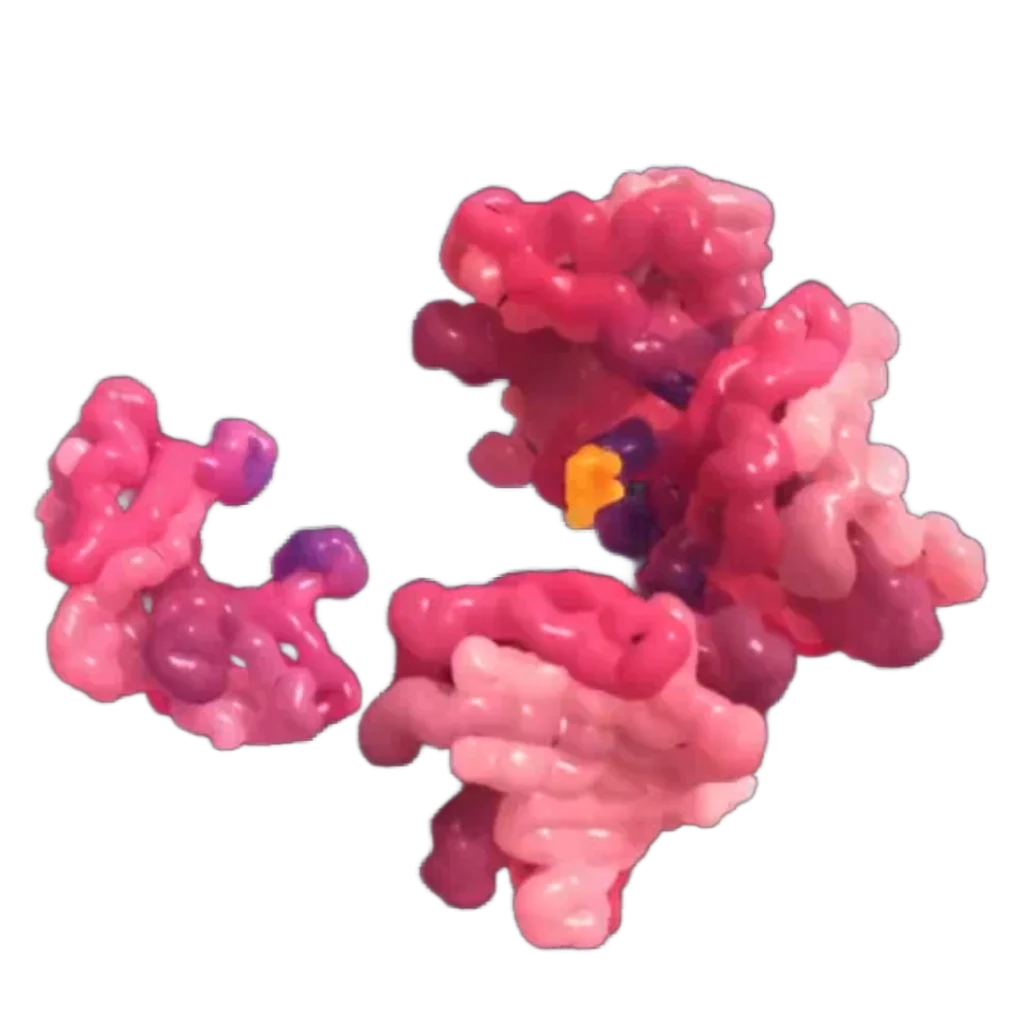
Amyloid proteins are abnormal proteins that form when normally soluble proteins misfold and aggregate into insoluble fibers. These fibers deposit in tissues and interfere with organ function.
Once deposited, amyloid proteins are difficult for the body to remove. Over time, continued accumulation leads to progressive organ damage and, if untreated, can be life-threatening.
A detailed scientific overview of amyloid formation is available from the National Center for Biotechnology Information.
AL amyloidosis, also known as light-chain amyloidosis, is caused by abnormal immunoglobulin light chains produced by plasma cells in the bone marrow.
It can progress rapidly and is considered a medical emergency. AL amyloidosis often affects the heart and kidneys and requires urgent diagnosis and treatment.
ATTR amyloidosis is caused by abnormal deposition of transthyretin protein. It includes:
Hereditary ATTR amyloidosis, caused by a mutation in the TTR gene
Wild-type ATTR amyloidosis, which occurs with aging and without a genetic mutation
ATTR amyloidosis most commonly affects the heart and nerves and is a leading cause of cardiac amyloidosis.
Other less common forms include:
AA amyloidosis, associated with chronic inflammatory conditions
Localized amyloidosis, affecting a single organ
Rare hereditary amyloidoses involving different proteins
Each type has different causes, treatments, and outcomes, which makes accurate diagnosis essential.
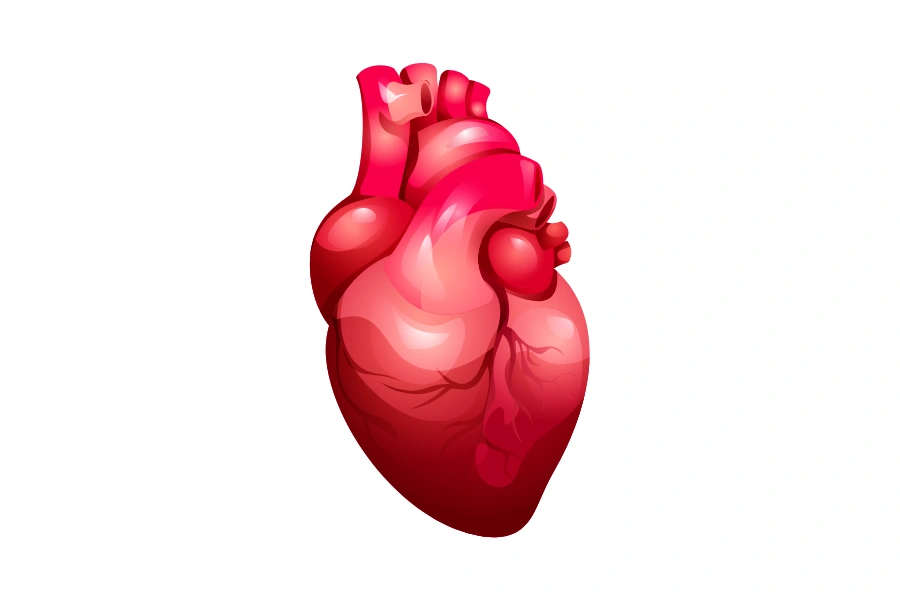
Amyloid deposits in the heart cause stiffening of the heart muscle, leading to restrictive cardiomyopathy and heart failure. Symptoms may include shortness of breath, fatigue, swelling of the legs, and irregular heart rhythms.
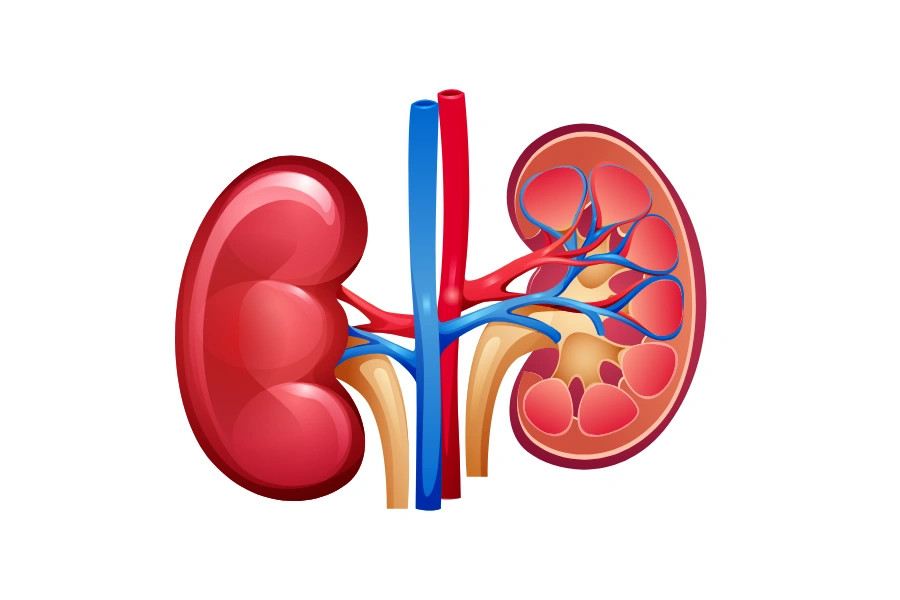
Kidney involvement may lead to protein loss in the urine, swelling, and progressive kidney failure. Kidney disease is often an early sign of systemic amyloidosis.
Amyloidosis can damage peripheral and autonomic nerves, causing numbness, tingling, weakness, dizziness when standing, and digestive problems. These symptoms are often mistaken for more common neurological conditions.
Amyloidosis is frequently misdiagnosed because:
Symptoms are non-specific
Multiple organs may be involved
It mimics common diseases such as heart failure or kidney disease
Awareness among healthcare providers is limited
In many African countries, access to specialized diagnostic tools is restricted, further contributing to delayed diagnosis.
This does not mean amyloidosis is rare. It means it is underrecognized.
Amyloidosis is no longer universally fatal. Advances in treatment mean that many forms can be treated or managed, especially when diagnosed early.
Early diagnosis allows:
Timely initiation of disease-specific therapy
Prevention of irreversible organ damage
Improved quality of life
Better long-term outcomes
Clinical guidance on diagnosis and treatment is available from the Mayo Clinic.
Across Africa, amyloidosis remains largely invisible within health systems. Limited awareness, lack of epidemiological data, and restricted diagnostic capacity mean that many patients are never diagnosed.
African genetic diversity, changing population demographics, and rising cardiovascular disease burden suggest that amyloidosis may be more common than currently recognized.
Amyloidosis Africa works to address these gaps through awareness, medical education, research, quality improvement, advocacy, and patient support across the continent.
Amyloidosis Africa is dedicated to making amyloidosis visible, diagnosable, and treatable in Africa by strengthening knowledge, clinical capacity, and collaboration at local, national, and continental levels.
We advance cardiac amyloidosis care across Africa through collaboration, training, and research. Join us to change the future of heart health and empower local clinicians with knowledge and tools.