

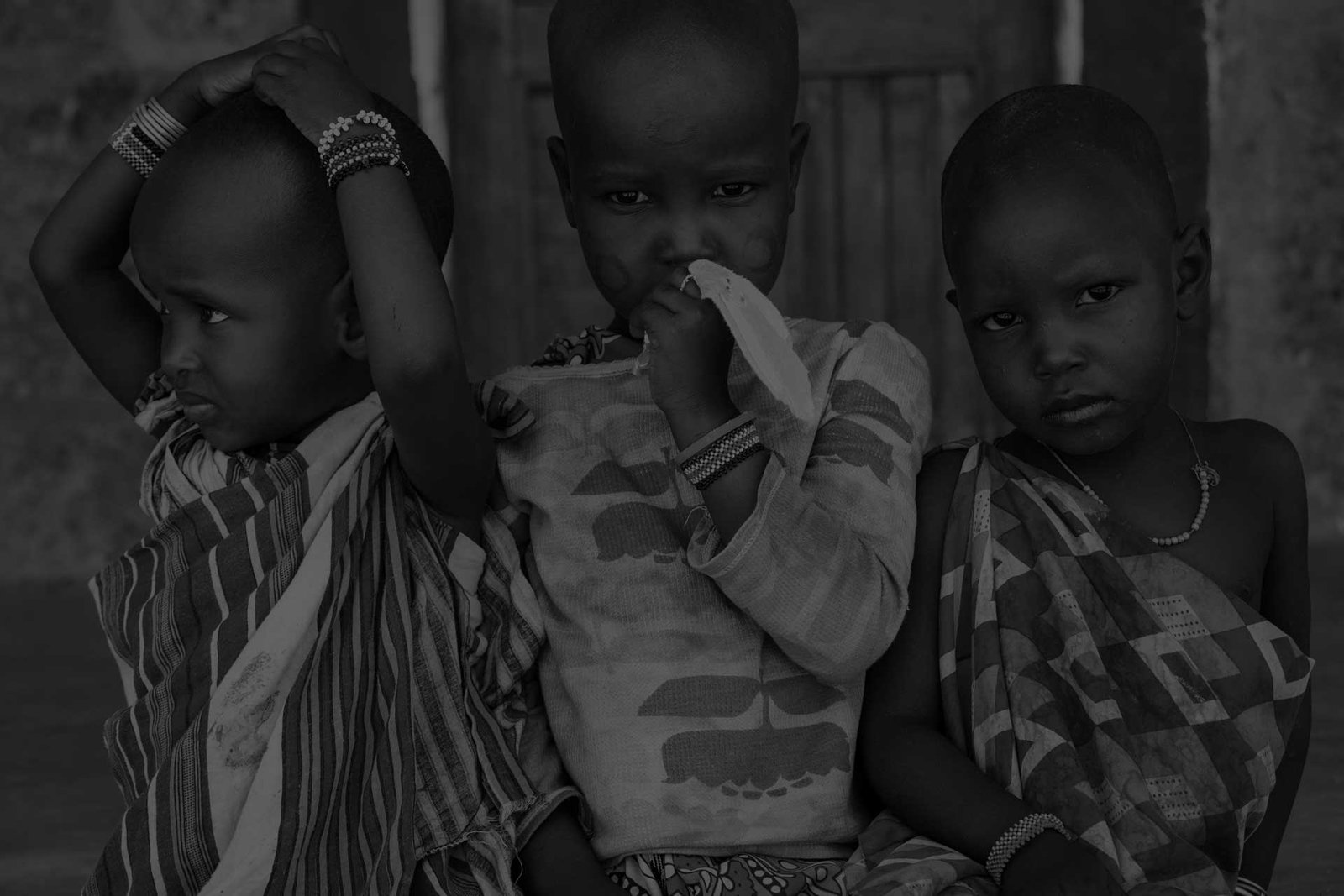


Amyloidosis Africa is committed to advancing high-quality, Africa-led research to improve the understanding, diagnosis, and management of amyloidosis across the continent. Despite major global advances, amyloidosis remains underdiagnosed and underreported in Africa, largely due to limited local data, fragmented research efforts, and restricted access to diagnostic tools.
Â
Our research agenda seeks to close these gaps by generating locally relevant evidence, strengthening research capacity, and ensuring African patients and clinicians are represented in global amyloidosis knowledge.
Amyloidosis presents differently across populations, influenced by genetics, comorbidities, health system structures, and access to care. However, African populations remain significantly underrepresented in amyloidosis research.
Â
The absence of African data contributes to:
Delayed diagnosis and misdiagnosis

Limited adaptation of international guidelines to African contexts
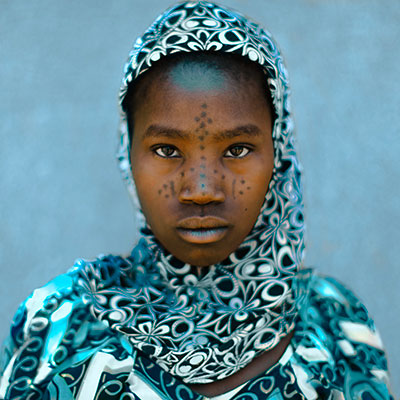
Underrecognition of genetic variants relevant to African populations

Inequitable inclusion in global clinical research
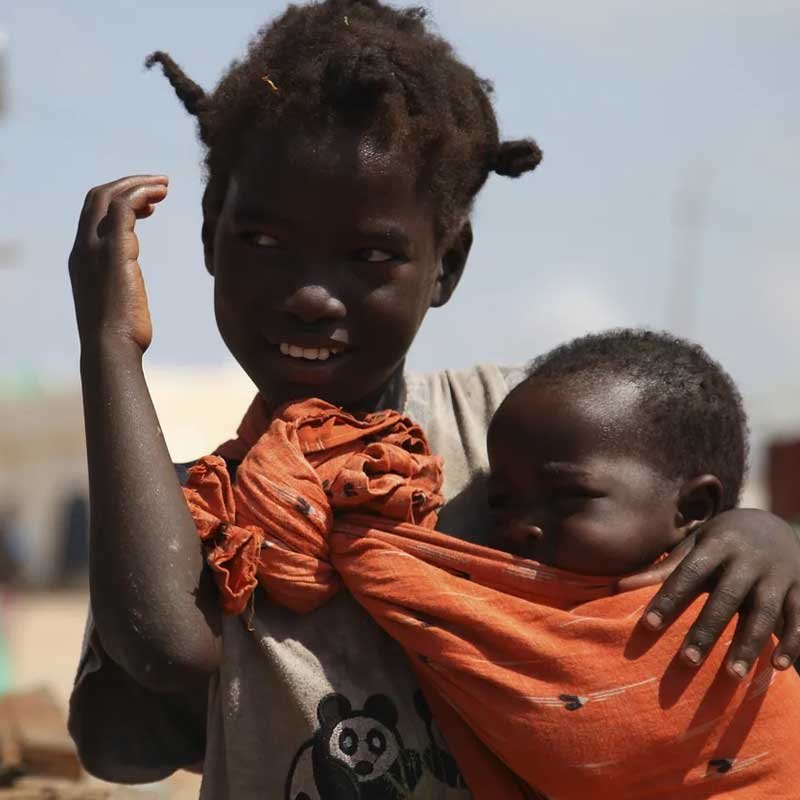
Without locally generated evidence, amyloidosis remains invisible within national health priorities and research agendas. Africa-led research is essential to improving patient outcomes and informing policy.
We support observational and real-world studies aimed at understanding the prevalence, clinical presentation, and outcomes of amyloidosis in African populations. These studies help define disease patterns and identify opportunities for earlier diagnosis.
Africa has the greatest genetic diversity globally, yet genetic data related to amyloidosis remain limited. We promote research into hereditary ATTR amyloidosis, including population-specific mutations and family screening strategies, to improve diagnosis and counseling.
Given the strong association between amyloidosis and heart failure, we prioritize research focused on cardiac amyloidosis, including ATTR and AL subtypes. This includes studies evaluating diagnostic pathways, imaging strategies, and integration into heart failure services.
We conduct and support research that evaluates real-world diagnostic pathways and identifies system-level barriers to early diagnosis. These studies inform quality improvement initiatives designed to reduce diagnostic delays and improve referral pathways.
We recognize that improving outcomes requires more than medical knowledge. Our research includes health systems and implementation studies that examine access to diagnostics, workforce capacity, and integration of amyloidosis care within existing services.
Amyloidosis Africa is building a pan-African research network that brings together clinicians, researchers, institutions, and professional societies across the continent.
Through collaboration, we aim to:
Enable multicenter studies and shared protocols
Strengthen data quality and comparability
Promote African leadership in research design and authorship
Facilitate knowledge exchange and mentorship
Collaboration is essential to overcoming fragmented efforts and limited resources.
Â
All research promoted or supported by Amyloidosis Africa adheres to ethical research standards, local regulatory requirements, and principles of equity and inclusion.
We prioritize:
Ethical review and participant protection
Fair representation of African patients
Capacity building for local investigators
Equitable partnerships with international collaborators
Our approach ensures that research benefits African communities and strengthens local research ecosystems.
Â
Research findings must translate into real-world change. Amyloidosis Africa is committed to ensuring that evidence generated through research informs:
Medical education and training programs
Quality improvement initiatives
Clinical guidelines and care pathways
Advocacy and policy engagement
By linking research with education, quality improvement, and advocacy, we aim to create sustainable impact across health systems.
Â
Amyloidosis research in Africa faces several challenges, including:
Limited access to diagnostic testing
Low awareness among healthcare professionals
Scarcity of funding for rare disease research
Fragmented data and limited registries
Addressing these challenges requires coordinated, long-term investment in research infrastructure and collaboration.
Amyloidosis Africa is committed to strengthening African leadership in amyloidosis research, improving data generation, and ensuring that African patients are visible in global research efforts. Through collaboration, capacity building, and ethical research practices, we aim to transform amyloidosis research into better diagnosis, care, and outcomes across Africa.
We advance cardiac amyloidosis care across Africa through collaboration, training, and research. Join us to change the future of heart health and empower local clinicians with knowledge and tools.