AL Amyloidosis

(Light-Chain Amyloidosis)

ABOUT

AL Amyloidosis (Light-Chain Amyloidosis)

AL amyloidosis, also known as primary amyloidosis, is a serious and potentially life-threatening form of systemic amyloidosis caused by an abnormal production of immunoglobulin light chains by plasma cells in the bone marrow.


These abnormal light chains misfold and form amyloid fibrils that deposit in vital organs, leading to progressive organ dysfunction. AL amyloidosis is considered a medical emergency, as it can progress rapidly and requires urgent diagnosis and treatment.

What Causes AL Amyloidosis?

AL amyloidosis develops from a disorder of plasma cells, a type of white blood cell responsible for producing antibodies. In AL amyloidosis, abnormal plasma cells produce excessive amounts of misfolded light chains.


This condition is closely related to plasma cell dyscrasias and may occur alone or in association with multiple myeloma or other bone marrow disorders.


Unlike ATTR amyloidosis, AL amyloidosis is not inherited and does not involve the transthyretin protein.

How AL Amyloidosis Affects the Body

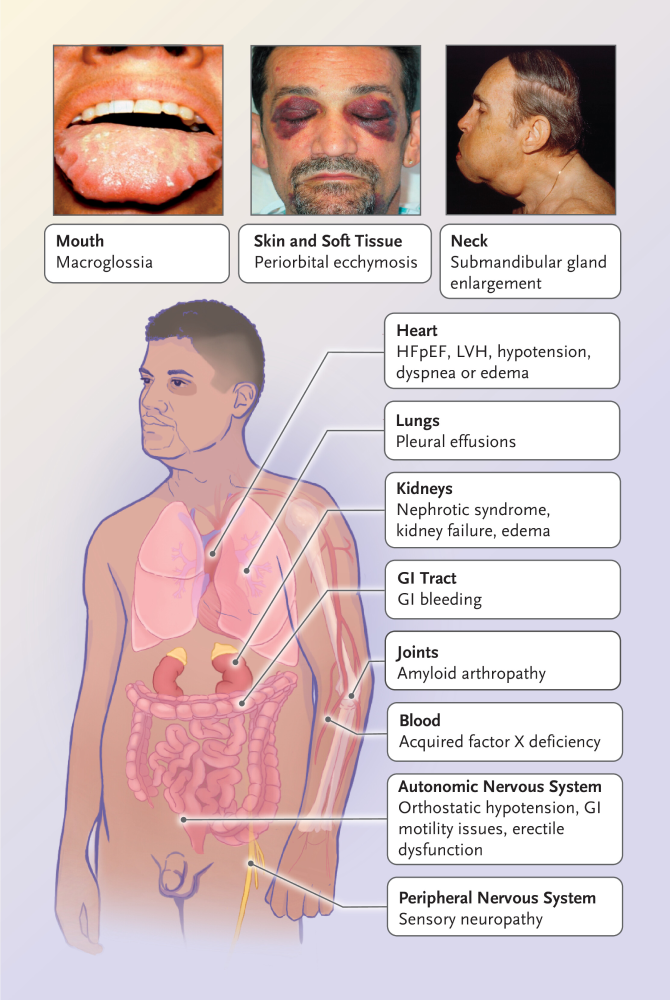
AL amyloidosis can affect multiple organs simultaneously, often with rapid progression.

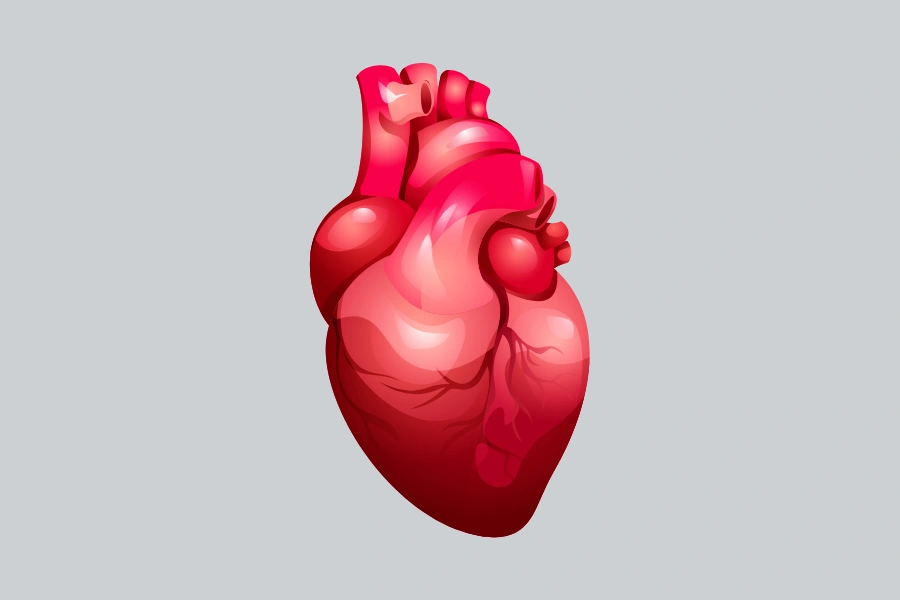
Heart Involvement

Cardiac involvement is common and particularly dangerous. Amyloid deposits cause stiffening of the heart muscle, leading to restrictive cardiomyopathy and heart failure.


Symptoms may include shortness of breath, fatigue, swelling of the legs, dizziness, and irregular heart rhythms. Cardiac AL amyloidosis is associated with a poorer prognosis if not treated promptly.

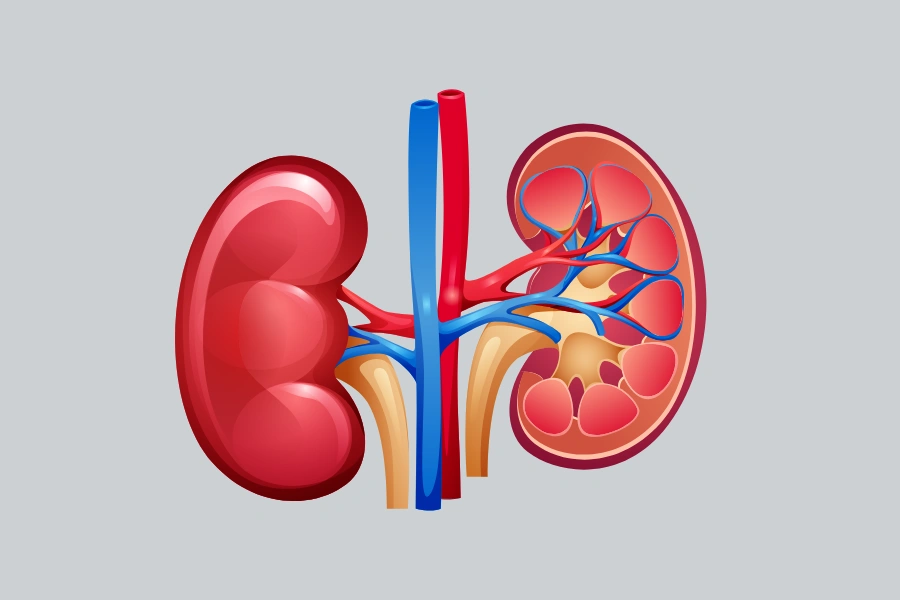
Kidney Involvement

The kidneys are frequently affected, leading to nephrotic syndrome, protein loss in the urine, swelling, and progressive kidney dysfunction. Kidney involvement is often an early clue to AL amyloidosis.

Nerve and Other Organ Involvement

AL amyloidosis may also affect:

  • Peripheral nerves, causing numbness, tingling, or weakness

  • The gastrointestinal tract, leading to weight loss, diarrhea, or malabsorption

  • The liver, causing enlargement and abnormal liver function tests

  • The skin and blood vessels, resulting in easy bruising or purpura

Symptoms to Watch For

AL amyloidosis often presents with non-specific symptoms, including:

  • Unexplained heart failure

  • Protein in the urine or kidney dysfunction

  • Fatigue and weight loss

  • Numbness or tingling

  • Easy bruising or swelling

Because symptoms overlap with many common diseases, diagnosis is frequently delayed.

Why AL Amyloidosis Must Be Ruled Out First

When amyloidosis is suspected, AL amyloidosis must be excluded urgently because it progresses more rapidly and requires immediate treatment.


Guidelines emphasize the importance of monoclonal protein screening using blood and urine tests before diagnosing other forms of amyloidosis, such as ATTR.


Failure to identify AL amyloidosis early can lead to irreversible organ damage and increased mortality.

Diagnosis of AL Amyloidosis

Diagnosis typically includes:

Accurate amyloid typing is essential to guide treatment.

Treatment and Management

AL amyloidosis is treated by targeting the abnormal plasma cells responsible for light-chain production. Treatment strategies are similar to those used for multiple myeloma and may include chemotherapy and other targeted therapies.


A comprehensive overview of treatment approaches is available from the Mayo Clinic.


Supportive care is essential to manage heart failure, kidney disease, and other organ complications.

AL Amyloidosis in Africa

AL amyloidosis is likely underdiagnosed in Africa due to limited awareness, restricted access to specialized laboratory testing, and overlap with more common conditions such as heart failure and kidney disease.


In many settings, lack of routine monoclonal protein screening delays diagnosis and treatment. Improving awareness and diagnostic capacity is critical to reducing preventable morbidity and mortality.


Amyloidosis Africa works to promote education, diagnostic pathways, and collaboration to improve recognition of AL amyloidosis across African health systems.


Our Commitment

Amyloidosis Africa is committed to increasing awareness of AL amyloidosis, promoting early and accurate diagnosis, strengthening medical education, and supporting research and quality improvement initiatives across Africa.