What is ATTR Amyloidosis

What Is ATTR Amyloidosis?

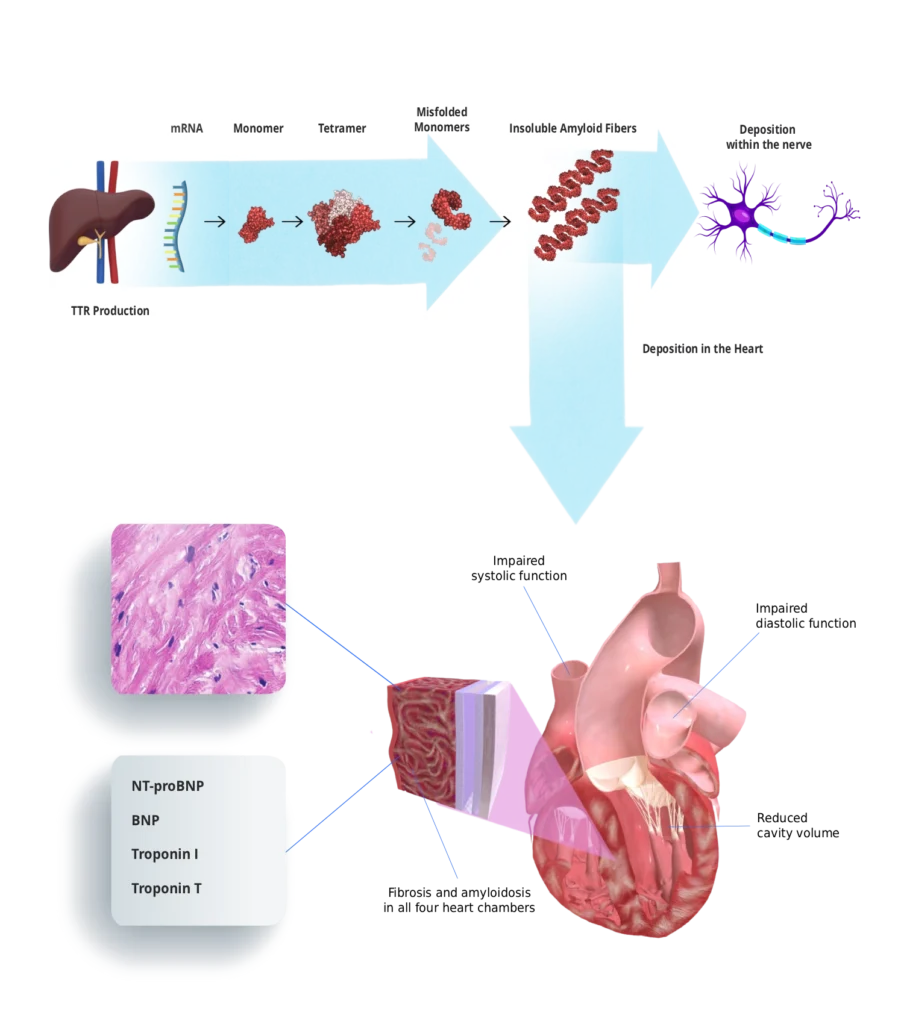
ATTR amyloidosis, also known as transthyretin amyloidosis, is a progressive and potentially life-threatening disease caused by the abnormal buildup of transthyretin protein in the body. When this protein becomes unstable, it misfolds and forms amyloid deposits that accumulate in tissues and organs.


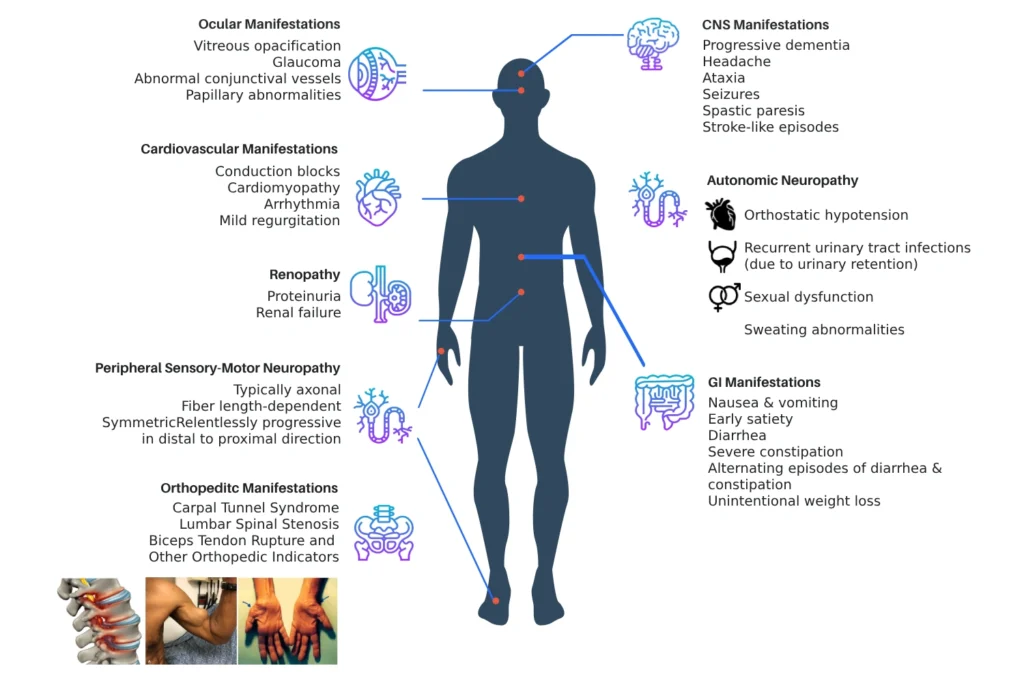
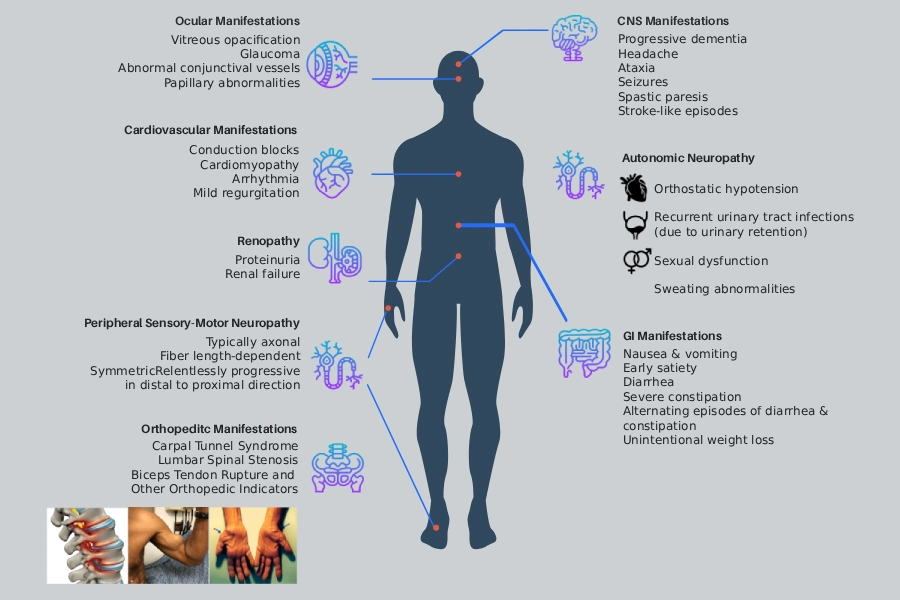
Over time, these deposits disrupt normal organ function. ATTR amyloidosis most commonly affects the heart and the nervous system, but it may also involve the kidneys, gastrointestinal tract, and eyes. Although once considered rare, ATTR amyloidosis is now recognized as significantly underdiagnosed, particularly in Africa.


Understanding Transthyretin (TTR)

Transthyretin (TTR) is a protein produced mainly by the liver. Its normal role is to transport:

In ATTR amyloidosis, transthyretin becomes unstable and misfolds. These abnormal proteins aggregate into amyloid fibrils that deposit in tissues and gradually cause organ damage.

Types of ATTR Amyloidosis

Hereditary ATTR Amyloidosis

Hereditary ATTR amyloidosis is caused by a mutation in the TTR gene and is inherited in an autosomal dominant pattern. Symptoms can appear at different ages and vary depending on the specific mutation.


This form may affect the heart, the nerves, or both. A family history of heart disease or neuropathy can be an important clue, although the absence of known cases does not exclude the diagnosis.

Wild-Type ATTR Amyloidosis

Wild-type ATTR amyloidosis occurs without a genetic mutation and typically affects older adults, particularly men. It most commonly involves the heart and is a recognized cause of heart failure with preserved ejection fraction.


This form is often misdiagnosed as other common heart conditions, leading to delays in appropriate care.

How ATTR Amyloidosis Affects the Body

Cardiac Symptoms

When ATTR amyloidosis affects the heart, it leads to restrictive cardiomyopathy and progressive heart failure.

Common symptoms include:

  • Shortness of breath

  • Persistent fatigue

  • Leg or abdominal swelling

  • Dizziness or fainting

  • Heart rhythm disturbances

Diagnostic red-flag features are highlighted in guidance from the European Society of Cardiology.

Neurologic and Systemic Symptoms

ATTR amyloidosis may also cause:

Patient-friendly symptom explanations are available from the Amyloidosis Foundation.

Why ATTR Amyloidosis Is Often Missed

ATTR amyloidosis is frequently overlooked because its symptoms overlap with many common cardiovascular and neurological diseases. Disease progression is usually slow, and awareness remains limited.


In many African countries, access to advanced diagnostic tools such as nuclear scintigraphy and genetic testing is restricted, further contributing to underdiagnosis and late presentation.

Why Early Diagnosis Matters

ATTR amyloidosis is no longer considered untreatable. Disease-modifying therapies are now available and can slow disease progression, particularly when started early.


Early diagnosis enables timely treatment, better symptom control, improved quality of life, and informed care planning for patients and families.

ATTR Amyloidosis in Africa

Across Africa, ATTR amyloidosis remains largely unrecognized. Limited awareness, scarce epidemiological data, and restricted diagnostic capacity mean that many people living with the disease are never diagnosed.


This does not mean ATTR amyloidosis is rare. It means it is underdiagnosed.


Amyloidosis Africa works to address this gap through awareness, education, research, quality improvement, and collaboration across the continent.

Our Commitment

Amyloidosis Africa is dedicated to making ATTR amyloidosis visible, diagnosable, and treatable in Africa, while strengthening African participation in global amyloidosis research and care.