



Hereditary ATTR Amyloidosis: Genetics, Symptoms, Diagnosis & Treatment
Hereditary ATTR amyloidosis is an inherited, progressive disorder caused by a disease-causing variant in the TTR gene. The genetic change makes transthyretin more likely to become unstable, misfold and form amyloid fibrils that accumulate in tissues throughout the body.
The disease is also known as variant transthyretin amyloidosis, ATTRv amyloidosis, or hereditary transthyretin-mediated amyloidosis. Depending on the specific genetic variant and the individual patient, hereditary ATTR amyloidosis may predominantly affect the peripheral nerves, the heart, or both.
Importantly, the disease can also involve the autonomic nervous system, gastrointestinal tract, kidneys, eyes and other tissues. Therefore, its presentation can vary considerably between patients and even between members of the same family (1, 2).
Key principle: Hereditary ATTR amyloidosis is caused by a pathogenic variant in the TTR gene. However, carrying a variant does not predict exactly when disease will develop, which organs will be affected or how rapidly it will progress.
What Is Transthyretin?
Transthyretin, abbreviated TTR, is a transport protein produced mainly by the liver. Smaller amounts are also produced in the choroid plexus of the brain and in the retina.
Normally, four TTR subunits assemble into a stable structure called a tetramer. This protein helps transport thyroxine and retinol-binding protein in the bloodstream.
In hereditary ATTR amyloidosis, a pathogenic variant in the TTR gene can reduce the stability of the tetramer. Consequently, the tetramer becomes more likely to dissociate into individual monomers.
These monomers can then misfold, aggregate, and eventually form amyloid fibrils that deposit in organs and tissues.
Pathogenic TTR variant
↓
Less stable TTR tetramer
↓
Tetramer dissociation
↓
TTR monomer misfolding
↓
Amyloid fibril formation
↓
Progressive organ damage
↓
Less stable TTR tetramer
↓
Tetramer dissociation
↓
TTR monomer misfolding
↓
Amyloid fibril formation
↓
Progressive organ damage
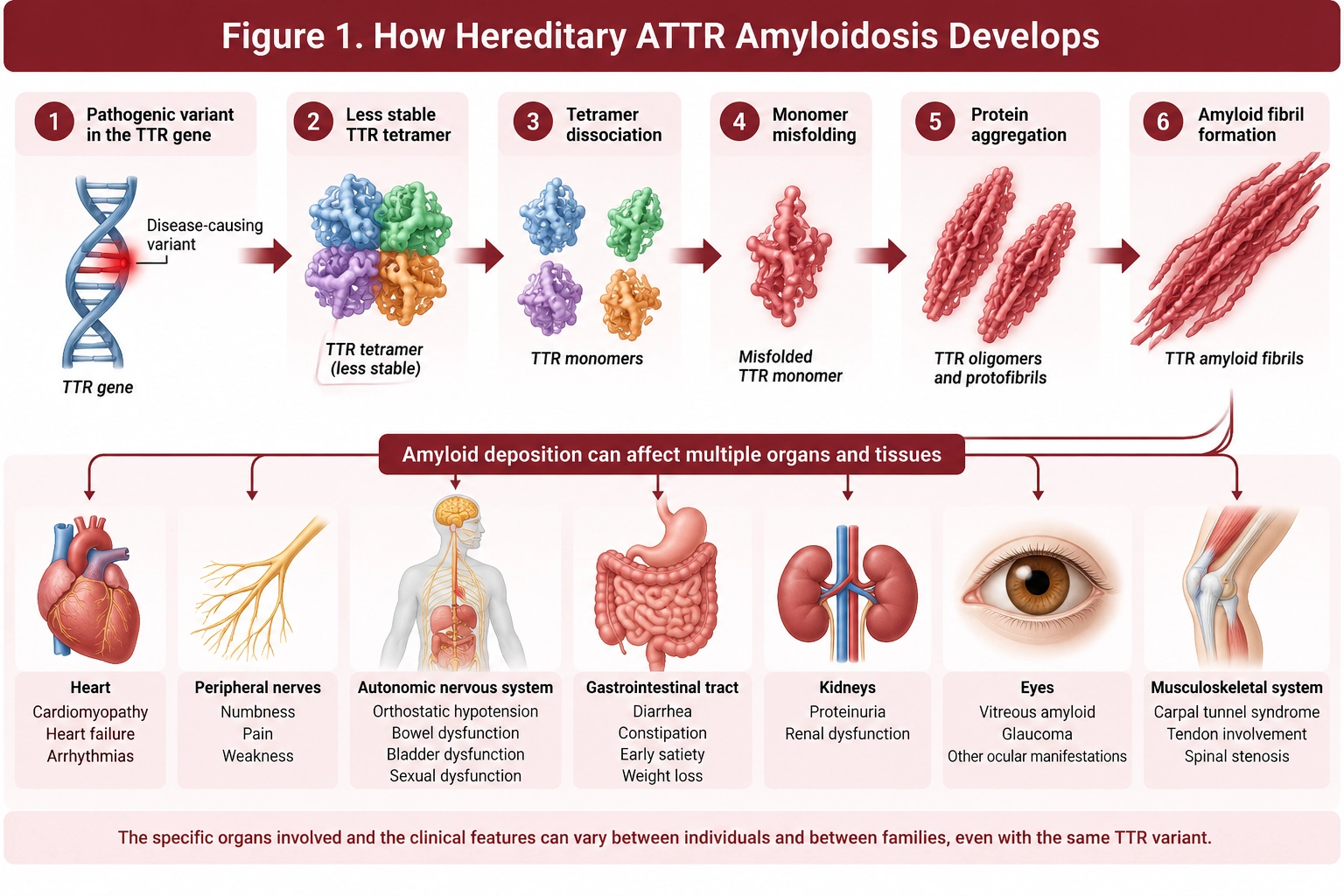
Figure 1. How Hereditary ATTR Amyloidosis Develops. A pathogenic variant in the TTR gene can make transthyretin tetramers less stable. The tetramer may then dissociate into monomers that misfold, aggregate, and form amyloid fibrils, which can accumulate in the nerves, heart, and other tissues.
How Is Hereditary ATTR Amyloidosis Inherited?
Hereditary ATTR amyloidosis usually follows an autosomal dominant inheritance pattern.
This means that a person who carries a pathogenic TTR variant generally has a 50% chance of passing that variant to each biological child.
However, inheriting the variant does not necessarily mean that symptoms will develop at a particular age. In addition, not every carrier develops the same clinical phenotype.
This variability reflects a concept called penetrance. Penetrance describes the proportion of people with a disease-associated variant who eventually develop clinical manifestations.
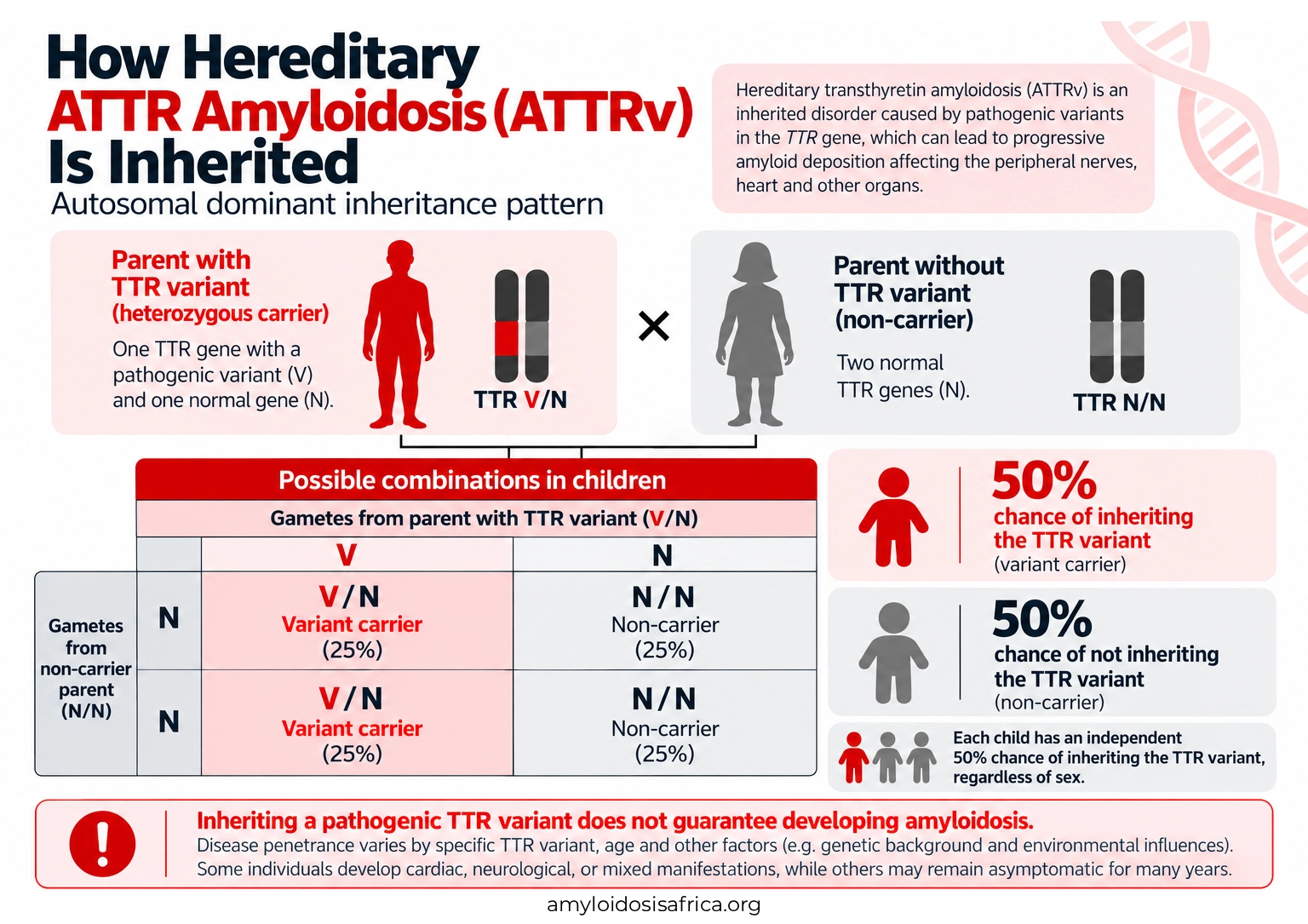
Figure 2: Autosomal dominant inheritance of hereditary transthyretin amyloidosis (ATTRv). When one parent carries a heterozygous pathogenic TTR variant, and the other is a non-carrier, each child has an independent 50% chance of inheriting the variant. Inheriting the variant does not necessarily result in clinical disease because penetrance is variable and often age-dependent.
Important genetic distinction: A positive genetic test identifies a pathogenic TTR variant. It does not, by itself, determine when symptoms will begin or how severe the disease will become.
What Does ATTRv Mean?
The abbreviation ATTRv means transthyretin amyloidosis caused by a variant in the TTR gene. Many contemporary scientific publications use ATTRv rather than older terminology such as hereditary familial amyloid polyneuropathy.
This broader terminology is useful because hereditary ATTR amyloidosis can affect multiple organs rather than only the peripheral nerves.
For example, some patients have predominantly:
- polyneuropathy;
- cardiomyopathy;
- autonomic dysfunction;
- or a mixed neurologic and cardiac phenotype.
How Many TTR Variants Are Known?
More than 100 amyloidogenic TTR variants have been described. However, their frequency, penetrance, and typical clinical manifestations differ considerably across populations.
Some variants are strongly associated with polyneuropathy, whereas others more commonly produce cardiomyopathy. Nevertheless, genotype does not completely determine phenotype.
Age, ancestry, sex, additional genetic factors, and other biological influences may modify disease expression.
The Val50Met Variant
One of the best-studied variants is p.Val50Met, historically called Val30Met under older numbering conventions.
This variant occurs in several endemic populations and can cause progressive sensorimotor and autonomic polyneuropathy. However, the age at onset and degree of cardiac involvement vary substantially between geographic regions and families.
The Val142Ile Variant
The p.Val142Ile variant, historically called Val122Ile, is particularly important in people of African ancestry and is predominantly associated with cardiac disease.
However, carrying the variant does not mean that a person will inevitably develop clinically significant cardiomyopathy. Penetrance remains incomplete and age-dependent.
Therefore, clinicians should interpret genetic findings within the patient’s clinical context rather than treating genotype alone as proof of active disease.
Why Is Ancestry Important?
The distribution of pathogenic TTR variants differs across geographic regions and ancestry groups because of founder effects, migration, and population history.
For example, certain variants occur more frequently in Portugal, Sweden, Japan, West Africa, and populations of African ancestry in the Americas.
Nevertheless, clinicians should not use ethnicity alone to exclude hereditary ATTR amyloidosis. Global migration and substantial genetic diversity mean that pathogenic variants can occur in patients from many backgrounds.
This is particularly relevant in Africa, where the distribution and clinical penetrance of many TTR variants remain incompletely characterized.
Which Organs Can Hereditary ATTR Amyloidosis Affect?
Hereditary ATTR amyloidosis is a multisystem disease. Therefore, symptoms may emerge from several organ systems simultaneously or sequentially.
| Organ or System | Possible Manifestations |
|---|---|
| Peripheral nerves | Numbness, burning pain, altered temperature sensation, tingling, weakness and progressive sensory loss |
| Autonomic nervous system | Orthostatic hypotension, erectile dysfunction, bowel disturbance, urinary symptoms, abnormal sweating and early satiety |
| Heart | ATTR cardiomyopathy, heart failure, atrial fibrillation, conduction disease and reduced exercise capacity |
| Gastrointestinal tract | Diarrhea, constipation, alternating bowel habits, nausea, early satiety and weight loss |
| Kidneys | Proteinuria or renal dysfunction in selected phenotypes |
| Eyes | Vitreous amyloid, glaucoma and other ocular manifestations in some variants |
| Central nervous system | Rare variants may cause leptomeningeal or cerebrovascular manifestations |
| Musculoskeletal system | Carpal tunnel syndrome and other amyloid-related musculoskeletal manifestations |
What Is Hereditary ATTR Polyneuropathy?
ATTRv polyneuropathy occurs when transthyretin amyloid damages peripheral nerves.
The disease often begins in the longest nerves first. Therefore, symptoms may initially develop in the feet and gradually progress upward.
Possible symptoms include:
- numbness in the feet or hands;
- burning or neuropathic pain;
- tingling or abnormal sensations;
- loss of temperature sensation;
- reduced balance;
- progressive muscle weakness;
- difficulty walking; and
- loss of independence in advanced disease.
Unlike many common peripheral neuropathies, hereditary ATTR neuropathy frequently includes substantial autonomic involvement.
What Is Autonomic Neuropathy?
The autonomic nervous system regulates functions that usually occur without conscious control, including blood pressure, digestion, sweating, bladder function, and sexual function.
When amyloid damages autonomic nerves, patients may develop:
- dizziness or faintness when standing;
- orthostatic hypotension;
- diarrhea or constipation;
- alternating diarrhea and constipation;
- early satiety;
- unintentional weight loss;
- erectile dysfunction;
- urinary dysfunction; and
- abnormal sweating.
These symptoms may substantially affect nutrition, mobility, and quality of life. Moreover, they can complicate the treatment of cardiac disease because medications that lower blood pressure may become poorly tolerated.
What Is Hereditary ATTR Cardiomyopathy?
When TTR amyloid accumulates in the myocardium, hereditary ATTR amyloidosis can cause ATTR cardiomyopathy, or ATTR-CM.
Amyloid infiltration increases myocardial stiffness and interferes with ventricular filling. Consequently, patients may develop progressive heart failure even when left ventricular ejection fraction remains relatively preserved.
Possible cardiac manifestations include:
- shortness of breath;
- fatigue;
- reduced exercise tolerance;
- leg or abdominal swelling;
- atrial fibrillation;
- conduction disease;
- bradycardia;
- need for a pacemaker;
- low blood pressure; and
- progressive heart failure.
Some pathogenic variants predominantly produce cardiomyopathy, whereas others cause a mixed cardiac and neurologic phenotype.
For more information on cardiac evaluation, see Cardiac Amyloidosis Diagnosis.
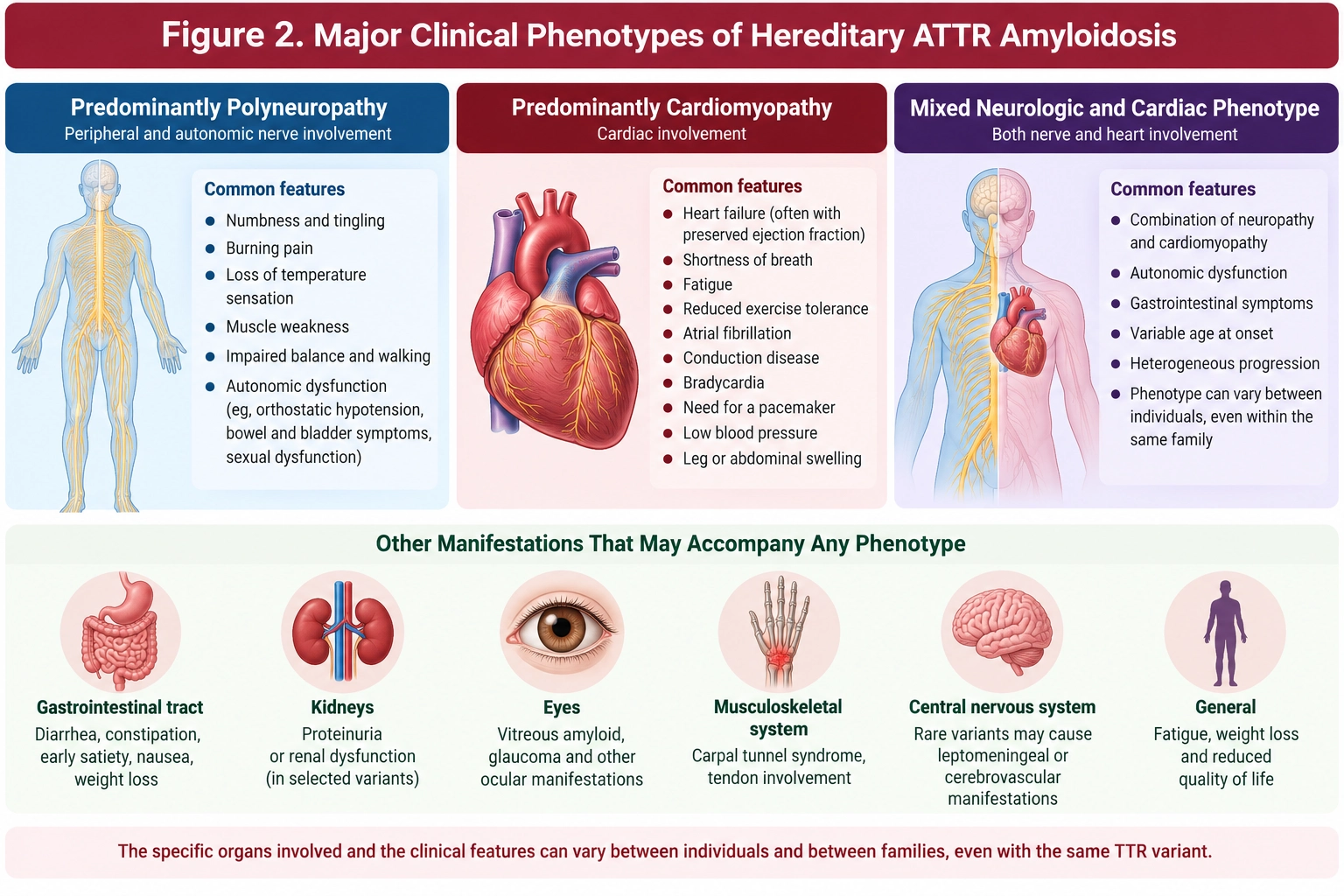
Figure 3. Major Clinical Phenotypes of Hereditary ATTR Amyloidosis. Hereditary ATTR amyloidosis may present predominantly as polyneuropathy, cardiomyopathy, or a mixed phenotype. Autonomic, gastrointestinal, ocular, and other manifestations can accompany either pattern.
What Are the Red Flags for Hereditary ATTR Amyloidosis?
Because hereditary ATTR amyloidosis can mimic many common neurologic, cardiac, and gastrointestinal disorders, diagnosis often requires recognition of a pattern of findings.
Important red flags include:
- progressive unexplained peripheral neuropathy;
- neuropathy accompanied by autonomic dysfunction;
- neuropathy plus unexplained cardiomyopathy;
- unexplained increased left ventricular wall thickness;
- heart failure with preserved ejection fraction;
- atrial fibrillation or conduction disease;
- bilateral carpal tunnel syndrome;
- unexplained orthostatic hypotension;
- progressive weight loss with gastrointestinal symptoms;
- a family history of neuropathy or cardiomyopathy;
- a known pathogenic TTR variant in the family; and
- multiple unexplained symptoms involving different organ systems.
Clinical clue: The combination of neuropathy, autonomic dysfunction, and cardiomyopathy should strongly raise suspicion for hereditary ATTR amyloidosis, especially when there is a relevant family history.
Can Someone Have Hereditary ATTR Without a Family History?
Yes. The absence of a known family history does not exclude hereditary ATTR amyloidosis.
Several factors can explain an apparently negative family history. For example, previous generations may have died before symptoms appeared, received another diagnosis, or carried a variant with low or age-dependent penetrance.
In addition, relatives may have experienced different clinical manifestations. One family member may have neuropathy, while another develops predominantly cardiac disease.
Therefore, clinicians should perform genetic testing when hereditary ATTR remains clinically plausible even if the patient reports no known affected relatives.
How Is Hereditary ATTR Amyloidosis Diagnosed?
Diagnosis requires both identification of ATTR amyloidosis and determination that a pathogenic TTR variant is present.
The exact pathway depends on whether the patient presents predominantly with neuropathy, cardiomyopathy, or a mixed phenotype.
Step 1: Recognize the Clinical Pattern
The evaluation begins with a detailed history, physical examination, and assessment of the organs involved.
Clinicians should specifically ask about:
- neuropathic symptoms;
- orthostatic symptoms;
- gastrointestinal dysfunction;
- cardiac symptoms;
- carpal tunnel syndrome;
- weight loss;
- sexual or urinary dysfunction; and
- family history of neuropathy, heart failure, or unexplained early death.
Step 2: TTR Genetic Testing
Genetic testing of the TTR gene can identify a pathogenic or likely pathogenic variant.
However, a positive result must be interpreted together with the clinical phenotype. A pathogenic variant in an asymptomatic person demonstrates genetic risk, not necessarily active amyloidosis.
Step 3: Evaluate Neuropathy
When neuropathy predominates, assessment may include:
- neurologic examination;
- nerve conduction studies;
- electromyography where appropriate;
- quantitative sensory testing in selected centers;
- autonomic testing;
- assessment of disability and walking ability; and
- evaluation for alternative causes of neuropathy.
Common conditions such as diabetes, vitamin deficiencies, paraproteinemia, and inflammatory neuropathies can coexist with or mimic ATTR neuropathy.
Step 4: Evaluate the Heart
When cardiac involvement is suspected, testing commonly includes ECG, biomarkers, echocardiography, and, when appropriate, cardiac MRI.
Clinicians must also evaluate for a monoclonal gammopathy using:
- serum free light chains;
- serum immunofixation; and
- urine immunofixation.
This step is essential because AL amyloidosis can closely resemble ATTR cardiac amyloidosis and requires an entirely different treatment pathway.
Step 5: Bone Scintigraphy When Appropriate
Bone scintigraphy with an amyloid-avid tracer such as technetium-99m PYP, DPD, or HMDP can support a non-biopsy diagnosis of ATTR-CM in the appropriate clinical setting.
However, clinicians must adequately exclude a monoclonal gammopathy before using strongly positive cardiac tracer uptake to establish ATTR-CM non-invasively (3).
Step 6: Biopsy and Amyloid Typing When Needed
Biopsy remains valuable when the diagnosis is uncertain, the clinical phenotype is atypical, or the non-invasive cardiac pathway is inconclusive.
If tissue demonstrates amyloid, clinicians should determine the amyloid precursor protein whenever possible. Mass spectrometry-based proteomic typing provides a highly reliable method when available.
Diagnostic Pathway for Hereditary ATTR Amyloidosis
Phenotype-directed clinical assessment and confirmation
1. Clinical Suspicion Progressive unexplained neuropathy, autonomic dysfunction, unexplained cardiomyopathy, multisystem red flags, or relevant family history.
2. Clinical Assessment Detailed history, physical examination, family history, and identification of predominant organ involvement.
Neurologic / Autonomic Evaluation
- Neurologic examination
- Nerve conduction studies and EMG when appropriate
- Autonomic function assessment
- Assessment of disability and nutritional status
- Exclude alternative causes of neuropathy
Cardiac Evaluation
- ECG and echocardiography
- NT-proBNP / BNP and cardiac troponin
- Cardiac MRI when indicated
- Serum free light chains and serum/urine immunofixation
- Bone scintigraphy with SPECT when appropriate
3. Establish and Type Amyloidosis Integrate clinical findings and investigations. Confirm ATTR amyloidosis using an appropriate validated non-biopsy cardiac pathway or tissue biopsy with amyloid typing when indicated.
4. TTR Genetic Testing Identify a pathogenic or likely pathogenic TTR variant to establish hereditary (ATTRv) status. Genetic testing may occur earlier or in parallel, depending on clinical presentation and family history.
5. Define Phenotype and Disease Stage Assess neurologic, autonomic, cardiac and other organ involvement; determine disease severity; and develop an individualized management and follow-up plan.
Important diagnostic considerations: A pathogenic TTR variant alone does not establish active amyloidosis. For non-biopsy ATTR-CM diagnosis, grade 2–3 myocardial uptake on appropriate bone scintigraphy, confirmed by SPECT, requires adequate exclusion of a monoclonal protein disorder. Abnormal monoclonal studies, equivocal imaging, or discordant findings may require tissue biopsy and amyloid typing. A negative cardiac scan does not exclude ATTRv polyneuropathy.
Figure 4. Diagnostic approach to hereditary transthyretin amyloidosis (ATTRv). Neurologic and cardiac investigations are selected according to the presenting phenotype. Genetic testing establishes hereditary status, while confirmation of clinically manifest amyloidosis requires appropriate clinical and diagnostic evidence.
Why Is Genetic Counseling Important?
A diagnosis of hereditary ATTR amyloidosis has implications beyond the individual patient because biological relatives may also carry the same pathogenic variant.
Genetic counseling can help patients and families understand:
- the inheritance pattern;
- the meaning of a positive genetic test;
- the possibility of incomplete penetrance;
- who in the family may consider testing;
- the limitations of predicting disease onset;
- psychological implications of testing; and
- appropriate surveillance for asymptomatic carriers.
Should Family Members Be Tested?
Once clinicians identify a pathogenic TTR variant in an affected patient, adult biologic relatives may consider targeted predictive genetic testing.
However, testing should generally occur within an appropriate counseling framework because a positive result can have medical, psychological, and family implications.
A negative targeted test for the known familial variant usually means that the relative did not inherit that specific disease-associated variant.
In contrast, a positive result identifies a carrier who may benefit from structured clinical surveillance.
What Happens to Asymptomatic TTR Variant Carriers?
People who carry a pathogenic TTR variant but have no evidence of active disease generally require periodic surveillance rather than automatic treatment.
The surveillance strategy should reflect the specific variant, expected age of onset, family history, and organs typically affected.
Follow-up may include:
- neurologic examination;
- assessment for autonomic symptoms;
- ECG;
- echocardiography;
- cardiac biomarkers;
- ambulatory rhythm monitoring when appropriate;
- weight and nutritional assessment; and
- additional testing when symptoms or abnormalities emerge.
Important: A pathogenic TTR variant is not equivalent to symptomatic amyloidosis. Treatment decisions should distinguish genetic carrier status from clinically manifest disease.
How Is Hereditary ATTR Amyloidosis Treated?
Treatment has changed substantially over the past decade. Modern therapies can target the transthyretin disease pathway and slow progression, particularly when clinicians begin treatment before severe irreversible organ damage occurs.
The major disease-modifying approaches include:
- TTR gene silencing to reduce hepatic TTR production;
- TTR stabilization to reduce tetramer dissociation in patients with cardiomyopathy; and
- selected historical or investigational approaches, including transplantation and gene editing.
Treatment selection depends heavily on the clinical phenotype. A patient with progressive polyneuropathy may require a different strategy from a patient with predominantly ATTR cardiomyopathy.
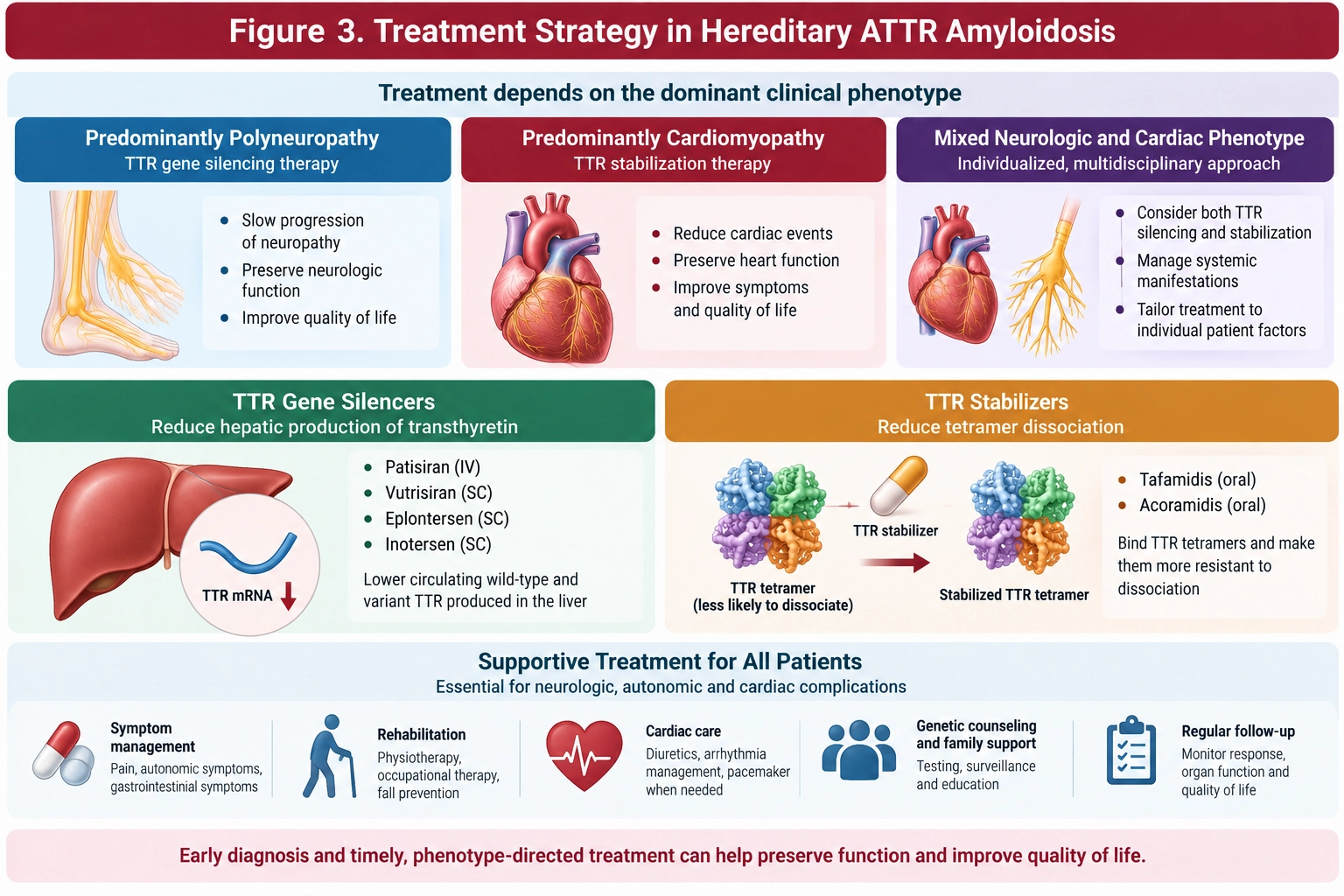
Figure 5. Treatment Strategy in Hereditary ATTR Amyloidosis. Treatment depends on the dominant clinical phenotype. TTR gene silencers reduce hepatic production of transthyretin, while TTR stabilizers reduce tetramer dissociation in ATTR cardiomyopathy. Supportive treatment remains essential for neurologic, autonomic, and cardiac complications.
TTR Gene Silencers for ATTRv Polyneuropathy
Gene-silencing therapies reduce production of transthyretin in the liver by targeting TTR messenger RNA.
These treatments lower both variant and wild-type circulating TTR because both forms originate predominantly from hepatic TTR production.
Patisiran
Patisiran is an intravenously administered small interfering RNA therapy.
In the phase 3 APOLLO trial, patisiran improved neuropathy impairment and quality of life compared with placebo in adults with hereditary ATTR amyloidosis with polyneuropathy (4).
The full APOLLO publication is available through the New England Journal of Medicine.
Vutrisiran
Vutrisiran is a subcutaneously administered siRNA therapy that reduces hepatic TTR synthesis.
The HELIOS-A program demonstrated substantial TTR reduction and benefit across neuropathy, functional, and quality-of-life measures in patients with hereditary ATTR polyneuropathy (5).
The FDA originally approved vutrisiran in 2022 for treatment of polyneuropathy of hereditary transthyretin-mediated amyloidosis in adults. More recently, vutrisiran also gained an indication for ATTR cardiomyopathy in adults, including hereditary ATTR-CM. :contentReference[oaicite:0]{index=0}
Eplontersen
Eplontersen is a ligand-conjugated antisense oligonucleotide that lowers TTR production.
In the phase 3 NEURO-TTRansform study, eplontersen reduced serum TTR and produced favorable effects on neuropathy impairment and quality of life compared with a historical placebo group (6). :contentReference[oaicite:1]{index=1}
The FDA approved eplontersen in 2023 for treatment of polyneuropathy of hereditary transthyretin-mediated amyloidosis in adults. :contentReference[oaicite:2]{index=2}
Inotersen
Inotersen is an antisense oligonucleotide that inhibits hepatic TTR production.
Its pivotal randomized trial showed benefit on neuropathy impairment and quality of life in hereditary ATTR amyloidosis with polyneuropathy (7).
However, inotersen requires important safety monitoring, including assessment for thrombocytopenia and glomerulonephritis according to applicable prescribing information.
For a broader explanation of this treatment class, see Gene Silencers in Cardiac Amyloidosis.
Treatment of Hereditary ATTR Cardiomyopathy
Patients with hereditary ATTR amyloidosis who develop cardiomyopathy may be candidates for ATTR-CM disease-modifying therapy.
Tafamidis
Tafamidis binds circulating TTR tetramers and makes them more resistant to dissociation.
The ATTR-ACT trial demonstrated reduced mortality and cardiovascular-related hospitalization with tafamidis compared with placebo in patients with wild-type or hereditary ATTR-CM (8).
Acoramidis
Acoramidis is another oral TTR stabilizer. ATTRibute-CM demonstrated a significant clinical benefit using a hierarchical primary endpoint in patients with ATTR cardiomyopathy (9).
The U.S. FDA approved acoramidis for adults with wild-type or variant ATTR-CM to reduce cardiovascular death and cardiovascular-related hospitalization. :contentReference[oaicite:3]{index=3}
Vutrisiran for ATTR-CM
Vutrisiran also has evidence in ATTR cardiomyopathy. In HELIOS-B, treatment reduced the composite risk of all-cause death and recurrent cardiovascular events compared with placebo (10).
Therefore, the therapeutic landscape increasingly includes both TTR stabilization and TTR silencing for patients with hereditary ATTR-CM.
For a detailed explanation, see TTR Stabilization in Cardiac Amyloidosis.
Does Treatment Choice Depend on Phenotype?
Yes. The dominant phenotype strongly influences treatment selection.
| Clinical Situation | Potential Disease-Modifying Approach |
|---|---|
| Predominantly polyneuropathy | TTR-lowering therapy according to local approval, disease stage, and individual patient factors |
| Predominantly cardiomyopathy | Approved ATTR-CM therapy, including TTR stabilization and/or an approved silencing strategy where indicated |
| Mixed cardiac and neurologic phenotype | Individualized multidisciplinary treatment considering both neurologic and cardiac evidence |
| Asymptomatic variant carrier | Structured surveillance rather than automatic disease-modifying therapy in most circumstances |
Because regulatory indications vary between countries, clinicians should always confirm the current local product label rather than assuming that approval for one ATTR phenotype automatically applies to another.
What About Liver Transplantation?
Before effective TTR-targeted medicines became available, liver transplantation was an important disease-modifying strategy for selected patients with hereditary ATTR amyloidosis, particularly some patients with early-onset p.Val50Met disease.
Replacing the liver substantially reduces production of variant TTR. However, transplantation does not eliminate TTR produced outside the liver and does not completely prevent future amyloid progression.
In addition, wild-type TTR can continue to deposit on pre-existing amyloid fibrils, particularly in the heart. Ocular and central nervous system manifestations may also progress because TTR production in the retina and choroid plexus continues.
Consequently, liver transplantation now has a much more limited and highly selected role in the modern treatment era.
What About Gene Editing?
Gene editing represents an emerging investigational strategy that aims to reduce TTR production after a one-time treatment by editing the TTR gene in liver cells.
Early and ongoing clinical studies have shown substantial reductions in circulating TTR, including recent studies of nexiguran ziclumeran in hereditary ATTR polyneuropathy (11). :contentReference[oaicite:4]{index=4}
However, gene editing should still be distinguished from established approved therapies. Its long-term effectiveness, safety, durability, and optimal role within treatment algorithms continue to undergo evaluation.
Do Current Treatments Remove Existing Amyloid?
Current approved stabilizers and silencers primarily reduce the formation of additional amyloid.
They do not directly dissolve large amounts of established amyloid fibrils. Therefore, substantial nerve or cardiac damage may persist even after treatment successfully suppresses the underlying amyloid-forming pathway.
This is one reason why early diagnosis and timely treatment are so important.
How Are Neurologic Symptoms Managed?
Disease-modifying treatment should occur alongside management of symptoms and complications.
Supportive neurologic care may include:
- neuropathic pain management;
- physiotherapy;
- occupational therapy;
- walking aids when needed;
- fall-prevention strategies;
- foot care;
- management of autonomic hypotension;
- nutritional support; and
- treatment of bowel, bladder and sexual dysfunction.
How Are Cardiac Complications Managed?
Patients with hereditary ATTR-CM may also require standard cardiac care adapted to amyloid physiology.
Management may include:
- careful diuretic therapy for congestion;
- management of atrial fibrillation;
- anticoagulation when clinically indicated;
- assessment of conduction disease;
- pacemaker therapy when appropriate;
- individualized management of hypotension;
- monitoring of kidney function and electrolytes; and
- advanced heart-failure assessment in selected patients.
For a broader discussion, see Cardiac Amyloidosis Treatment: ATTR, AL and Heart-Failure Management.
How Is Treatment Response Monitored?
No single measurement completely captures disease progression or treatment response in hereditary ATTR amyloidosis.
Therefore, follow-up should reflect the patient’s phenotype and may include:
- neurologic examination;
- neuropathy disability measures;
- walking ability;
- autonomic symptoms;
- body weight and nutritional status;
- quality-of-life assessment;
- ECG and rhythm monitoring;
- NT-proBNP or BNP;
- cardiac troponin;
- renal function;
- serial echocardiography;
- functional capacity;
- heart-failure events; and
- treatment adherence and adverse effects.
Why Does Early Diagnosis Matter?
Hereditary ATTR amyloidosis causes progressive tissue injury. Consequently, delaying diagnosis can allow irreversible neurologic or cardiac damage to accumulate.
Early recognition matters because modern therapies can substantially reduce the production or instability of TTR. However, their ability to restore function becomes more limited after severe structural damage develops.
Several factors can delay diagnosis:
- neuropathy may initially resemble diabetic or idiopathic neuropathy;
- cardiac disease may resemble hypertensive heart disease or ordinary HFpEF;
- different organs may be managed by different specialists;
- a family history may not be obvious;
- genetic testing may be unavailable; and
- amyloid expertise may be concentrated in a small number of centers.
Hereditary ATTR Amyloidosis in Africa
Hereditary ATTR amyloidosis is likely under-recognized across much of Africa. However, limited published case numbers should not be interpreted as proof that the condition is exceptionally rare.
Africa contains the greatest human genetic diversity globally, yet data on TTR variant frequencies, penetrance and phenotype remain limited in many African populations.
This creates several important priorities:
- greater awareness among cardiologists, neurologists and general physicians;
- access to TTR genetic testing;
- appropriate genetic counseling;
- better recognition of neuropathy and cardiomyopathy phenotypes;
- access to monoclonal protein testing and cardiac imaging;
- reliable amyloid typing;
- family-based cascade testing where appropriate;
- longitudinal follow-up of variant carriers;
- regional genomic research; and
- equitable access to disease-modifying treatment.
In addition, variants associated with African ancestry, including p.Val142Ile, make African-led research particularly important for understanding disease penetrance and clinical expression in diverse populations.
Africa-focused priority: Expanding genetic testing should occur alongside genetic counseling, clinical phenotyping and access to follow-up. Identifying a pathogenic variant is most useful when healthcare systems can connect that information to appropriate surveillance, diagnosis, and treatment.
Can Hereditary ATTR Amyloidosis Be Prevented?
At present, people cannot change whether they inherit a pathogenic TTR variant.
However, identifying an at-risk carrier before symptoms appear may create an opportunity for structured surveillance and earlier recognition of disease onset.
Research is now exploring whether future interventions could prevent or delay clinically manifest disease in genetically at-risk individuals.
Is Hereditary ATTR Amyloidosis Curable?
Current therapies can substantially modify the disease course, but hereditary ATTR amyloidosis is not yet considered universally curable.
TTR silencers can markedly reduce production of the precursor protein, while stabilizers can reduce tetramer dissociation in patients with cardiomyopathy.
Nevertheless, patients may continue to experience consequences of existing amyloid deposits and established organ damage. Therefore, long-term specialist follow-up remains important.
Key Takeaways
- Hereditary ATTR amyloidosis results from a pathogenic variant in the TTR gene.
- The condition is usually inherited in an autosomal dominant pattern.
- Each child of a variant carrier generally has a 50% chance of inheriting that variant.
- Penetrance is incomplete and often age-dependent, so carrying a variant does not predict exact disease onset.
- Hereditary ATTR may cause polyneuropathy, cardiomyopathy, or a mixed phenotype.
- Autonomic, gastrointestinal, ocular, and other systemic manifestations may also occur.
- The absence of a known family history does not exclude hereditary ATTR.
- Genetic testing identifies pathogenic TTR variants and helps distinguish hereditary from wild-type ATTR amyloidosis.
- Family members may consider targeted genetic testing after appropriate counseling.
- Asymptomatic variant carriers generally require structured surveillance rather than automatic treatment.
- TTR gene silencers are important disease-modifying therapies for hereditary ATTR polyneuropathy.
- Patients with hereditary ATTR cardiomyopathy may benefit from approved TTR stabilizing or silencing therapies.
- Current therapies primarily limit additional amyloid formation rather than directly removing established deposits.
- Early diagnosis provides the best opportunity to preserve neurologic and cardiac function.
- African populations require substantially more genetic and phenotypic research in hereditary ATTR amyloidosis.
Frequently Asked Questions
Is Hereditary ATTR Amyloidosis Genetic?
Yes. It results from a pathogenic variant in the TTR gene and usually follows an autosomal dominant inheritance pattern.
What Is the Difference Between ATTRv and ATTRwt?
ATTRv, or hereditary ATTR, results from a pathogenic TTR variant. By contrast, wild-type ATTR occurs without an inherited pathogenic TTR variant.
If My Parent Has Hereditary ATTR, Will I Get It?
If a parent carries a pathogenic TTR variant, each biologic child generally has a 50% chance of inheriting that variant. However, inheriting the variant does not guarantee a particular age of disease onset or severity.
Can Someone Carry a TTR Variant Without Symptoms?
Yes. Some carriers remain asymptomatic for many years. Therefore, genotype-positive individuals may require structured surveillance rather than immediate treatment.
Does Hereditary ATTR Always Cause Neuropathy?
No. Some variants predominantly cause cardiomyopathy, while others commonly produce neuropathy or a mixed cardiac-neurologic phenotype.
Can Hereditary ATTR Affect the Heart?
Yes. Cardiac involvement can cause ATTR cardiomyopathy, heart failure, atrial fibrillation and conduction disease.
Can Hereditary ATTR Occur Without a Family History?
Yes. Incomplete penetrance, late disease onset, missed diagnoses in relatives and differing phenotypes can make the family history appear negative.
How Is Hereditary ATTR Confirmed?
Diagnosis combines clinical evaluation with identification of a pathogenic TTR variant and appropriate confirmation of amyloid disease or organ involvement when required.
Should Relatives Have Genetic Testing?
Adult biologic relatives of a person with a confirmed pathogenic TTR variant may consider targeted genetic testing after appropriate genetic counseling.
What Treatments Are Available for Hereditary ATTR Polyneuropathy?
Depending on country and regulatory approval, TTR-lowering treatments may include patisiran, vutrisiran, eplontersen and inotersen. Treatment choice depends on clinical stage, comorbidities, availability and individual patient factors.
What Treatments Are Available for Hereditary ATTR Cardiomyopathy?
Current ATTR-CM options in relevant jurisdictions include TTR stabilizers such as tafamidis and acoramidis and the TTR-silencing therapy vutrisiran. Regulatory approvals differ between countries.
Can Treatment Reverse Established Nerve or Heart Damage?
Current therapies mainly slow further amyloid formation. Some patients may improve or stabilize clinically, but advanced established tissue injury may not fully reverse.
Is Gene Editing Available as Standard Treatment?
No. Gene editing remains an investigational approach. Although clinical studies have shown substantial reductions in circulating TTR, researchers continue to evaluate long-term safety, durability and clinical outcomes.
References
- Adams D, Koike H, Slama M, Coelho T. Hereditary transthyretin amyloidosis: a model of medical progress for a fatal disease. Nat Rev Neurol. 2019;15(7):387–404. doi:10.1038/s41582-019-0210-4.
- Ando Y, Coelho T, Berk JL, et al. Guideline of transthyretin-related hereditary amyloidosis for clinicians. Orphanet J Rare Dis. 2013;8:31. doi:10.1186/1750-1172-8-31.
- Gillmore JD, Maurer MS, Falk RH, et al. Nonbiopsy diagnosis of cardiac transthyretin amyloidosis. Circulation. 2016;133(24):2404–2412. doi:10.1161/CIRCULATIONAHA.116.021612.
- Adams D, Gonzalez-Duarte A, O’Riordan WD, et al. Patisiran, an RNAi therapeutic, for hereditary transthyretin amyloidosis. N Engl J Med. 2018;379(1):11–21. doi:10.1056/NEJMoa1716153. View publication.
- Adams D, Tournev IL, Taylor MS, et al. Efficacy and safety of vutrisiran for patients with hereditary transthyretin-mediated amyloidosis with polyneuropathy: a randomized clinical trial. Amyloid. 2023;30(1):1–9. doi:10.1080/13506129.2022.2091985.
- Coelho T, Marques W Jr, Dasgupta NR, et al. Eplontersen for hereditary transthyretin amyloidosis with polyneuropathy. JAMA. 2023;330(15):1448–1458. doi:10.1001/jama.2023.18688. View publication.
- Benson MD, Waddington-Cruz M, Berk JL, et al. Inotersen treatment for patients with hereditary transthyretin amyloidosis. N Engl J Med. 2018;379(1):22–31. doi:10.1056/NEJMoa1716793. View publication.
- Maurer MS, Schwartz JH, Gundapaneni B, et al. Tafamidis treatment for patients with transthyretin amyloid cardiomyopathy. N Engl J Med. 2018;379(11):1007–1016. doi:10.1056/NEJMoa1805689. View publication.
- Gillmore JD, Judge DP, Cappelli F, et al. Efficacy and safety of acoramidis in transthyretin amyloid cardiomyopathy. N Engl J Med. 2024;390(2):132–142. doi:10.1056/NEJMoa2305434. View publication.
- Fontana M, Berk JL, Gillmore JD, et al. Vutrisiran in patients with transthyretin amyloidosis with cardiomyopathy. N Engl J Med. 2025;392(1):33–44. doi:10.1056/NEJMoa2409134. View publication.
- Gillmore JD, Gane E, Täubel J, et al. Nexiguran ziclumeran gene editing in hereditary ATTR with polyneuropathy. N Engl J Med. 2025;393:1375–1386. doi:10.1056/NEJMoa2510209. View publication.
Medical Disclaimer
This article provides general educational information and does not replace individualized medical advice, genetic counseling, diagnosis or treatment. Hereditary ATTR amyloidosis is a complex multisystem genetic disease. Treatment indications, medication approvals, genetic-testing pathways and access to specialist services differ between countries and can change over time. Patients and at-risk family members should discuss testing, surveillance and treatment with clinicians experienced in transthyretin amyloidosis and, where appropriate, genetics.

Leave a Reply