



Amyloidosis Africa Highlights African Leadership in Cardiac Amyloidosis Awareness at the 2nd International AJCA/AYCA Congress in Mali
Bamako, Mali | 30 September – 2 October 2026

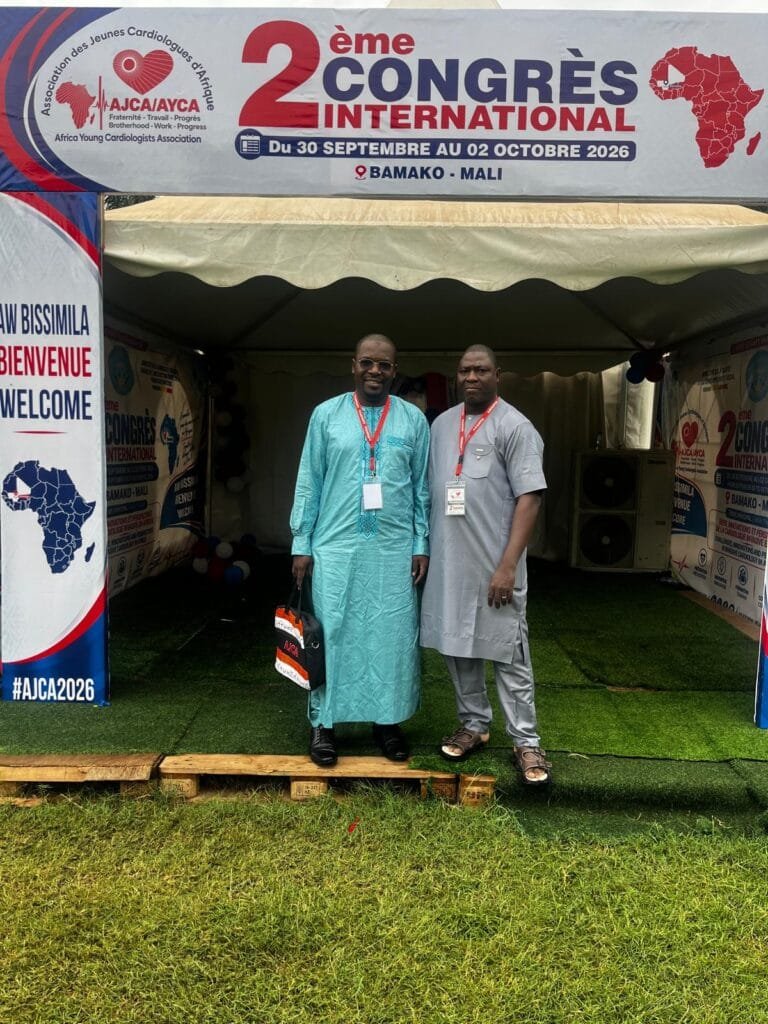
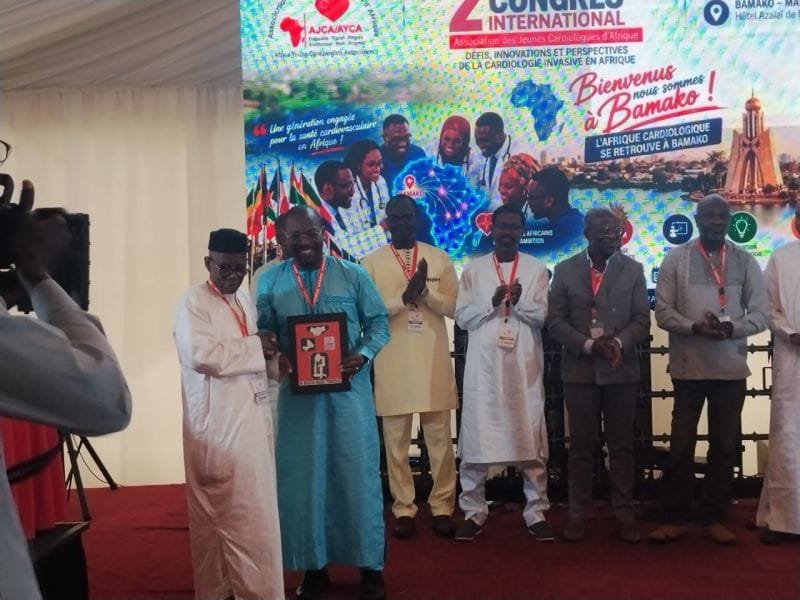
Amyloidosis Africa is pleased to highlight its scientific representation at the 2nd International Congress of the African Young Cardiologists Association (AJCA/AYCA), held in Bamako, Mali, from 30 September to 2 October 2026.
The congress brought together cardiologists, researchers, healthcare professionals, and emerging cardiovascular leaders from across Africa to exchange scientific knowledge, discuss advances in cardiovascular medicine, and strengthen regional collaboration.
Through the participation of Dr. Mazou NGOU TEMGOUA and Professor Bouréma Dembélé, Amyloidosis Africa contributed to the scientific dialogue surrounding cardiac amyloidosis, a frequently underrecognized condition that presents significant diagnostic and management challenges across the continent.
Advancing Cardiac Amyloidosis Awareness in Africa
Cardiac amyloidosis is an important and often overlooked cause of heart failure, particularly among patients presenting with unexplained increased left ventricular wall thickness, heart failure with preserved ejection fraction, conduction abnormalities, or other characteristic clinical findings.
Despite advances in diagnostic imaging, biomarker assessment, and disease-modifying therapies, timely recognition and access to appropriate diagnostic pathways remain major challenges in many African healthcare settings.
At the congress, scientific presentations by Dr. Mazou NGOU TEMGOUA and Professor Bouréma Dembélé helped bring greater attention to cardiac amyloidosis within the African cardiovascular community.
Their contributions reinforced the importance of:
Improving clinical awareness and recognition of cardiac amyloidosis among healthcare professionals.
Strengthening diagnostic capacity and referral pathways.
Promoting multidisciplinary collaboration in the evaluation and management of patients.
Expanding African participation in amyloidosis research and scientific initiatives.
Addressing disparities in access to specialized diagnostic services and treatment.
Advancing Cardiac Amyloidosis Awareness in Africa
The congress provided an important platform for knowledge exchange and professional engagement among cardiovascular specialists from different African countries.
For Amyloidosis Africa, participation in regional scientific meetings forms part of a broader commitment to building a connected network of clinicians, researchers, and institutions dedicated to improving amyloidosis care.
Through its continental initiatives, Amyloidosis Africa is working to support healthcare professional education, strengthen clinical and research partnerships, and advance the development of the African Cardiac Amyloidosis Registry (ACAR).
ACAR is being developed as a multicountry, multicentre observational research initiative designed to improve understanding of amyloidosis across African populations, document real-world diagnostic and management practices, and generate evidence to inform future clinical and research priorities. Its evolving scientific scope also includes transthyretin amyloid polyneuropathy (ATTR-PN), including patients without cardiac involvement.
Engagement with African cardiovascular and neurological communities will be essential to achieving these objectives.
Recognizing African Scientific Leadership
Amyloidosis Africa extends its appreciation to Dr. Mazou NGOU TEMGOUA and Professor Bouréma Dembélé for their contributions to scientific education and for helping raise the visibility of cardiac amyloidosis at this important regional congress.
We also congratulate the AJCA/AYCA organizers for creating a platform that encourages scientific exchange, professional development, and collaboration among Africa’s cardiovascular community.
Building a Future Where Amyloidosis Is Recognized Earlier
Improving amyloidosis outcomes in Africa requires more than scientific advances. It requires greater awareness, stronger diagnostic systems, meaningful research participation, and equitable access to appropriate care.
Amyloidosis Africa remains committed to working alongside African and international partners to advance these priorities.
Every scientific conversation brings us closer to a future where patients living with amyloidosis across Africa can be recognized earlier, diagnosed accurately, and connected to appropriate care.
About Amyloidosis Africa
Improving amyloidosis outcomes in Africa requires more than scientific advances. It requires greater awareness, stronger diagnostic systems, meaningful research participation, and equitable access to appropriate care.
Amyloidosis Africa remains committed to working alongside African and international partners to advance these priorities.
Every scientific conversation brings us closer to a future where patients living with amyloidosis across Africa can be recognized earlier, diagnosed accurately, and connected to appropriate care.


Quick Links
- What is Amyloidosis?
Contacts
- Phone : +254720999920
- Email : info@amyloidosisafrica.org
- Address : St. Mary's Mission Hospital, Nairobi
- Country : Kenya
Leave a Reply