27 Aug
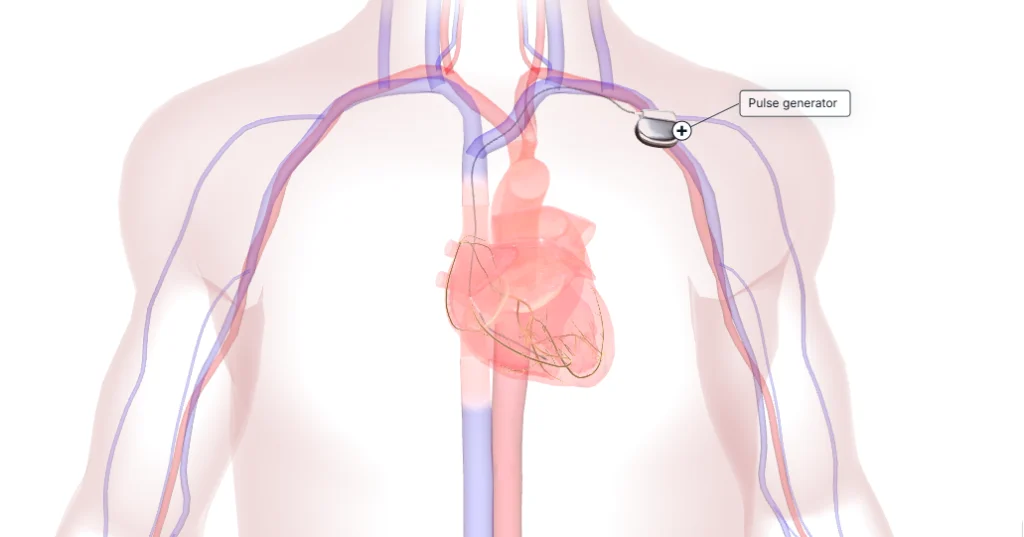
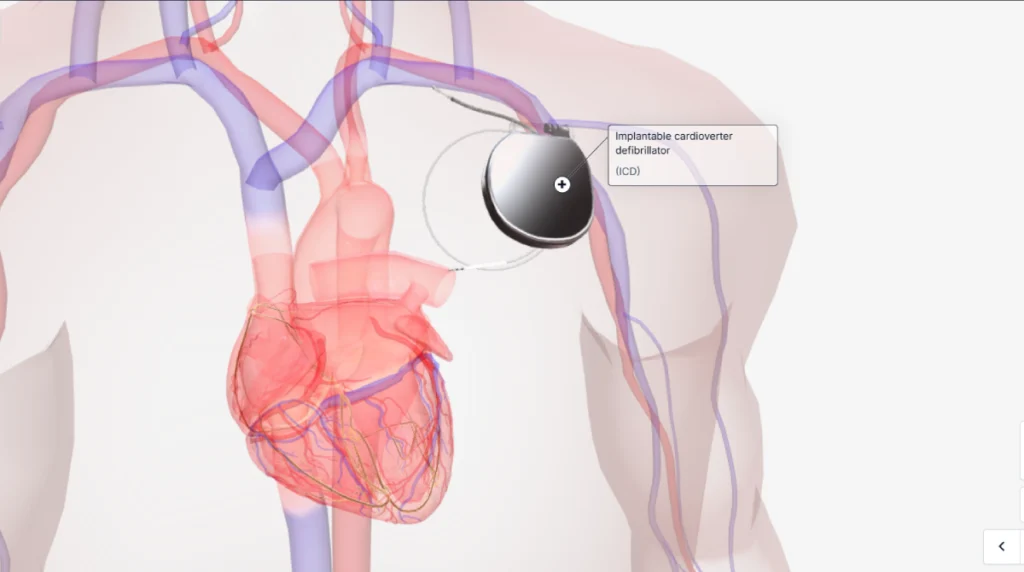
Learn how pacemakers, ICDs and cardiac resynchronization therapy (CRT) are used in cardiac amyloidosis, including their indications, potential benefits, limitations and the importance of individualized patient selection.
READ MORE26 Aug
Liver transplantation was historically an important disease-modifying treatment for hereditary ATTR amyloidosis. Learn which patients may still be considered today, how genotype and cardiac involvement affect eligibility, why disease can progress after transplantation, and how modern TTR-directed therapies have changed its role.
READ MORE25 Aug
Kidney transplantation can offer selected patients with amyloidosis-related kidney failure long-term dialysis independence. Learn how amyloid type, disease control, cardiac involvement and recurrence risk influence transplant eligibility and outcomes.
READ MORE25 Aug
Heart transplantation can be an important treatment option for carefully selected patients with advanced cardiac amyloidosis. Learn how transplant teams assess eligibility, the differences between AL and ATTR amyloidosis, extracardiac disease, combined-organ transplantation and modern transplant outcomes.
READ MORE25 Aug
Organ transplantation can be an important treatment option for carefully selected patients with amyloidosis and advanced organ dysfunction. This article explains when heart, kidney, liver, or combined transplantation may be considered in AL, ATTR, and AA amyloidosis, and why disease control and multidisciplinary assessment are essential.
READ MORE15 Aug
Cardiac amyloidosis treatment depends on the amyloid type. This guide explains current ATTR and AL therapies, including TTR stabilizers, TTR silencers, plasma-cell-directed treatment, diuretics, anticoagulation and multidisciplinary heart failure care.
READ MORE
We advance cardiac amyloidosis care across Africa through collaboration, training, and research. Join us to change the future of heart health and empower local clinicians with knowledge and tools.